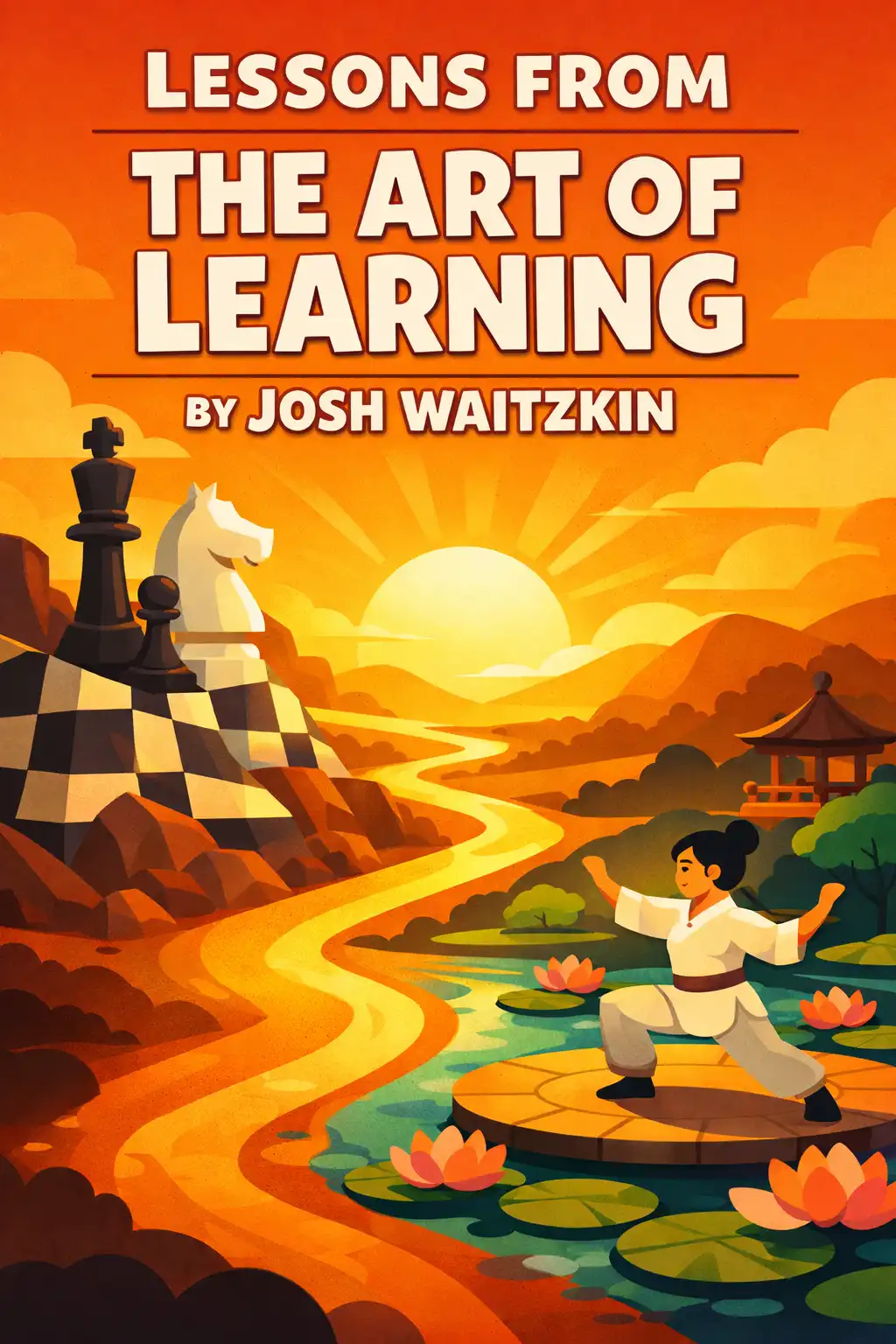






The Art of Learning cover

Book summary: The Art of Learning by Josh Waitzkin

10 min read9 key lessonsText + animated summary

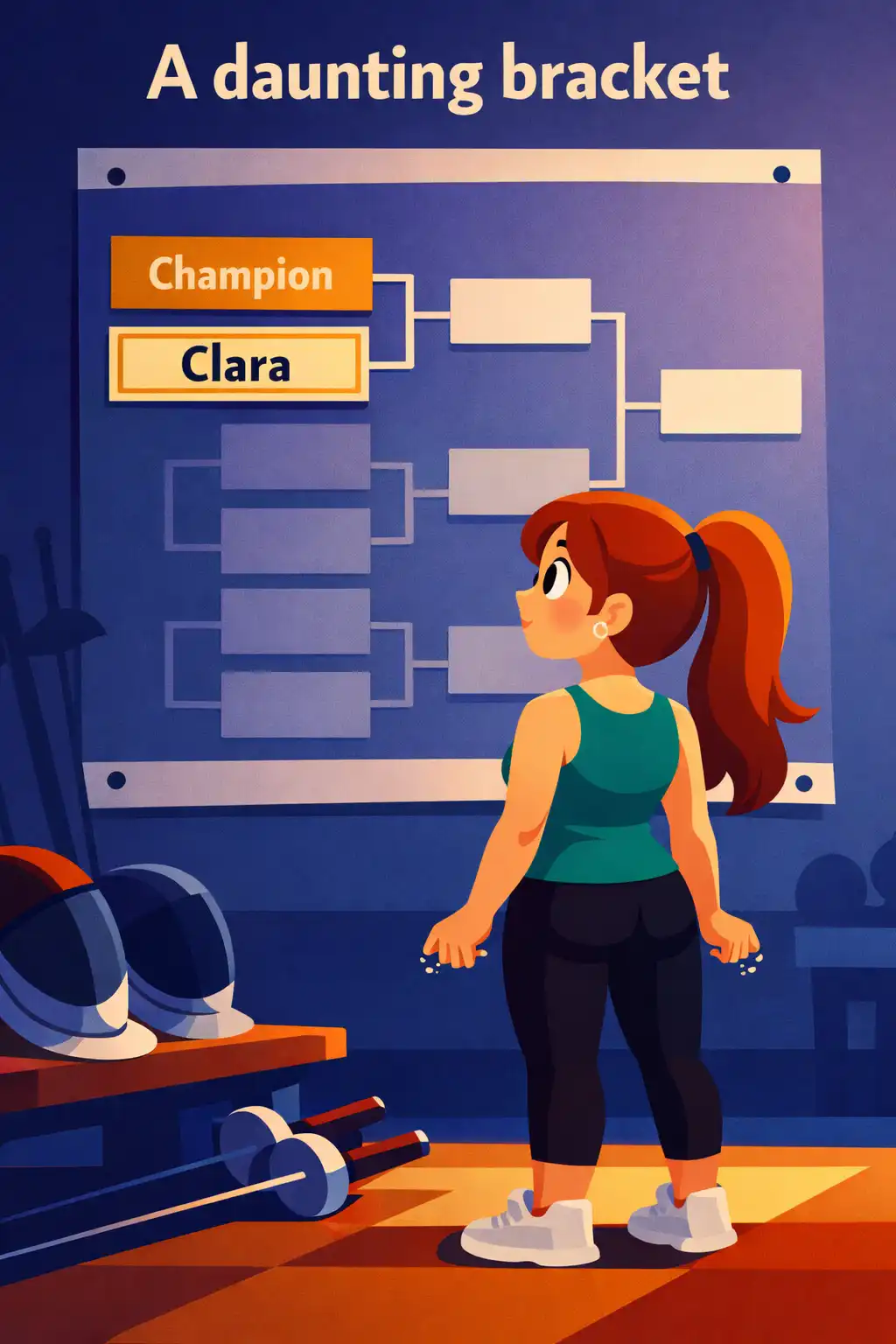
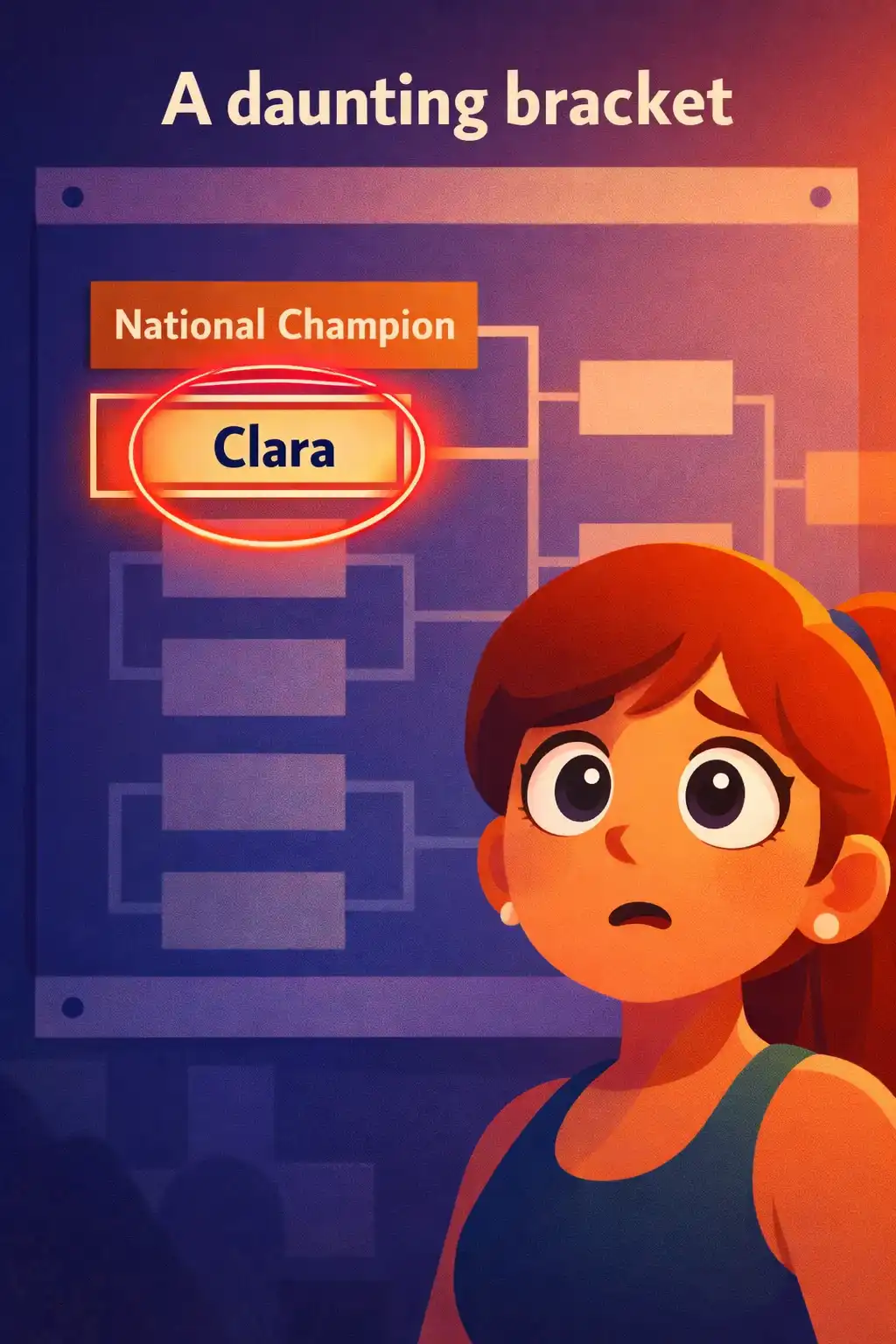
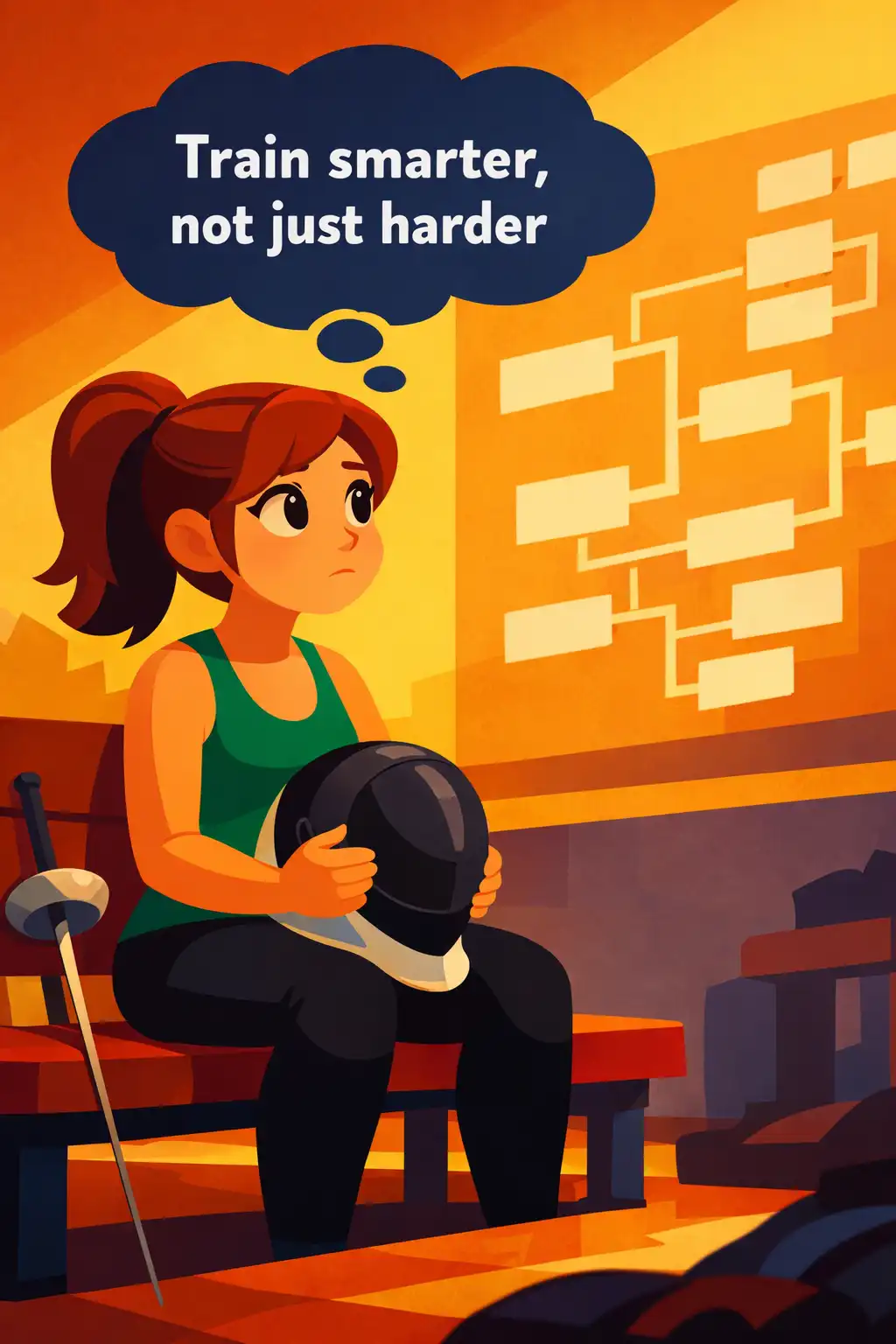
Claire stares at the tournament bracket posted on the gym wall. Her name is slotted right against last year's national champion, and her hands won't stop shaking.

One-sentence summary

"The Art of Learning" by Josh Waitzkin is a guide to mastering any skill, drawn from his journey as a chess prodigy and martial arts world champion.

Reading about The Art of Learning is one thing.

Watching it is faster, more fun, and you'll actually remember it.

Open in app

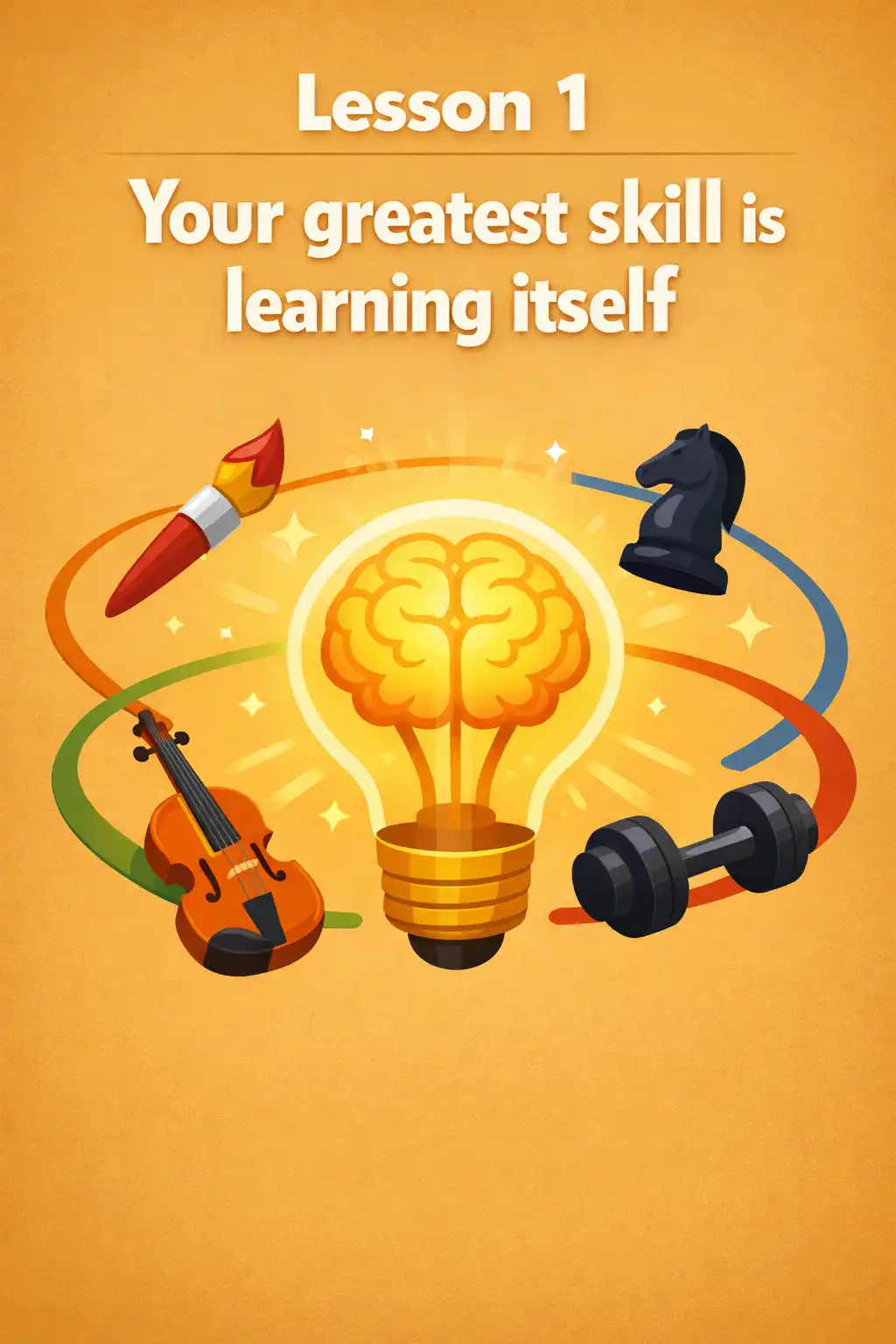
Lesson 1: Your greatest skill is learning itself

Claire is a competitive fencer in her mid-twenties. She's talented, but she keeps plateauing right before the biggest tournaments, and she can't figure out why.

Staring at that bracket, she realizes something uncomfortable. She's been training harder every year, but she hasn't been training smarter. Something fundamental is missing.

Josh Waitzkin faced something similar. He became a chess prodigy as a kid, winning eight national championships. Then he switched to Tai Chi and won a world title there, too.

Waitzkin realized the common thread wasn't chess talent or martial arts ability. It was the way he approached learning itself. That process was the real skill.

He noticed deep similarities between chess and Tai Chi. Both required internalizing fundamentals so completely that conscious thinking dropped away and pure, flowing action took over.

Claire decides to stop just drilling techniques and start examining how she actually learns. That shift in focus changes everything that follows.

Lesson 2: Growth mindset beats fragile talent

After a tough practice, Claire's coach tells her she's "a natural." It feels good, but she notices something odd. When she loses a bout, that praise makes it sting worse.

Waitzkin explains this through psychologist Carol Dweck's research. Some people are what Dweck calls "entity theorists." They believe talent is fixed. You're either good at something or you're not.

Others are "incremental theorists." They believe ability grows through effort. Studies show incremental learners embrace challenges, while entity thinkers crumble when things get hard.

The difference often comes down to how people are praised. Saying "you're so smart" creates fragility. Saying "you worked really hard on that" builds resilience.

Waitzkin saw this firsthand. His early chess rivals memorized opening sequences for quick wins, like stealing a test instead of learning the material. They avoided hard opponents and fell apart under pressure.

Claire starts reframing losses as data. Instead of thinking "I'm not good enough," she asks, "What can I improve?" It's a small shift with enormous consequences.

Lesson 3: Build a soft zone of focus

At the next tournament, the venue is chaotic. Music blares from a nearby hall, and a crowd of noisy spectators rattles Claire. She loses in the second round.

Waitzkin calls this the "Hard Zone." It's a brittle kind of concentration that shatters the moment conditions aren't perfect. He contrasts it with what he calls the "Soft Zone."

The Soft Zone is resilient, flexible focus that flows with distraction instead of fighting it. Think of an old parable. You can't pave the whole world, but you can make yourself a pair of sandals.

As a young chess player, Waitzkin was tormented by songs stuck in his head during games. His breakthrough was learning to think in rhythm with the music instead of resisting it.

He then deliberately trained in noisy, uncomfortable environments. Soviet rivals tried tapping, kicking, even cheating. Each distraction became a chance to deepen his mental toughness.

Claire starts practicing in distracting settings on purpose. She fences with music playing, people talking, and lights flickering. Slowly, chaos stops being the enemy.

Lesson 4: Recover fast after a mistake

During a critical bout, Claire makes a sloppy parry and gives up an easy point. Frustrated, she overcommits on the next attack and gives up another. Then another.

Waitzkin calls this the "downward spiral." The first mistake is rarely fatal. It's the chain reaction of second and third mistakes that truly destroys you.

He illustrates this with a vivid story. A woman stepped into traffic and was bumped harmlessly by a cyclist. Instead of stepping back to safety, she turned to shout at the cyclist. A taxi then hit her badly.

The lesson is simple but powerful. After a mistake, clinging to what just happened instead of snapping back to the present moment is where the real danger lives.

One of Waitzkin's chess students, a boy named Ian, blundered a piece in the National Championship finals. He remembered the bicycle story, paused, took a breath, and went on to win.

Claire builds a personal reset ritual. After any mistake, she takes one deep breath, rolls her shoulders, and returns to the present. The spirals start shrinking.

Lesson 5: Go deep with smaller circles

Claire's been adding new techniques every week, trying to expand her arsenal. But in competition, none of them feel automatic. She's collecting moves without actually mastering any of them.

Waitzkin took the opposite approach. In Tai Chi, he spent hours refining tiny movements, sometimes moving his hand just a few inches, until the body mechanics became pure instinct.

He calls this "Making Smaller Circles." Once a technique is fully internalized, you gradually reduce its size while keeping its full power and feeling completely intact.

Think of a straight punch. Years of practice let a fighter deliver devastating force with almost no visible wind-up. Boxers like Tyson and Ali mastered exactly this kind of invisible power.

Claire picks three core techniques and commits to drilling them obsessively. Weeks later, her coach notices her parry-riposte has become almost invisible, yet twice as effective.

Lesson 6: Turn setbacks into hidden advantages

A month before regionals, Claire sprains her wrist. She's devastated. Her entire game depends on fast, precise blade work, and now her dominant hand is in a brace.

Waitzkin went through something remarkably similar. He broke his hand during a martial arts tournament. Instead of stopping, he was training almost entirely with his weaker left hand the very next day.

That forced adaptation led to a breakthrough. He discovered a technique for controlling both of an opponent's arms with just one of his own, freeing his other hand to attack.

He also used daily visualization to keep his immobilized arm from weakening. When the cast came off, his doctor was astonished by the full recovery. Waitzkin then went on to win the Nationals.

His broader lesson is powerful. Elite performers treat injuries as learning opportunities, not interruptions. The best competitors deliberately develop weaker skills before a crisis forces them to.

Claire starts drilling footwork and left-handed techniques. When her wrist heals, she returns with a two-handed game no opponent has seen before. The injury actually made her better.

Lesson 7: Build a trigger for peak performance

Claire can sometimes access a calm, focused state before competing. But it's random. Some days it's there, and other days she's tight and overthinking everything.

Waitzkin worked with sports psychologists and learned a key insight. Elite performers across every sport use deliberate cycles of stress and recovery to stay sharp throughout a competition.

Rather than straining constantly, players like Pete Sampras and Michael Jordan used brief rest periods to recharge between bursts of intense effort. This rhythm is something you can train.

Waitzkin also helped a financier named Dennis build a pre-performance routine. Dennis would play catch with his son, eat a snack, meditate, stretch, and listen to Bob Dylan.

Once that routine was linked to a calm, focused state, Dennis gradually shortened each step. Eventually, just a few minutes of music triggered the same peak readiness he used to need an hour to reach.

Claire builds her own routine. A light stretch, a specific song, and three slow breaths. Over months, she condenses it. Eventually, one deep breath is enough to flip the switch.

Lesson 8: Channel your emotions as fuel

At a qualifier, Claire's opponent deliberately delays between points and makes snide comments. Claire feels anger rising and her technique unraveling. She barely wins.

Waitzkin faced a chess rival named Boris who kicked him under the table, shook the board, and cheated openly. At first, Waitzkin tried to suppress his anger. It never worked.

In Tai Chi, Waitzkin deliberately trained with sparring partners who fought dirty and attacked illegally. He repeatedly exposed himself to provocations until anger stopped controlling him.

The real breakthrough wasn't suppression or explosion. It was channeling emotion into sharper focus. Think of Reggie Miller turning Spike Lee's courtside heckling into fuel for a legendary performance.

Waitzkin outlines three stages. First, learn to sit with difficult emotions without fighting them. Then, channel them into intensity. Finally, learn to trigger your best emotional state on demand.

Claire practices this deliberately. She asks training partners to trash-talk her during bouts. Over time, the anger becomes a familiar wave she rides instead of drowning in.

Lesson 9: Adapt your foundation under pressure

The national championship arrives. The venue is different than advertised. The strip is shorter, the lighting is harsh, and the schedule changes twice before noon.

Waitzkin faced exactly this kind of chaos in Taiwan. Tournament officials changed the rules the night before, shrank the ring, and biased the judging. His entire game plan was suddenly useless.

But because Waitzkin had trained deep principles rather than fixed tactics, he could rebuild his strategy overnight. Depth of understanding adapts. Surface-level memorization doesn't.

He even turned an old shoulder injury into an advantage, conceding a position opponents expected to fight for and creating a battlefield they had never trained on.

Claire remembers everything she's built. The soft zone, the reset ritual, the condensed trigger, the emotional channeling. She takes one deep breath and steps onto the strip.

She adapts her footwork to the shorter strip, reads her opponent's rhythm, and recovers instantly from early mistakes. She wins her first national title.

You've read the summary. Now watch it.

The animated version covers the same ideas — faster, and in a format you'll actually remember.

Next summary