





Thinking in Systems cover

Book summary: Thinking in Systems by Donella Meadows

10 min read8 key lessonsText + animated summary

Topics will appear here once mapped for this book.

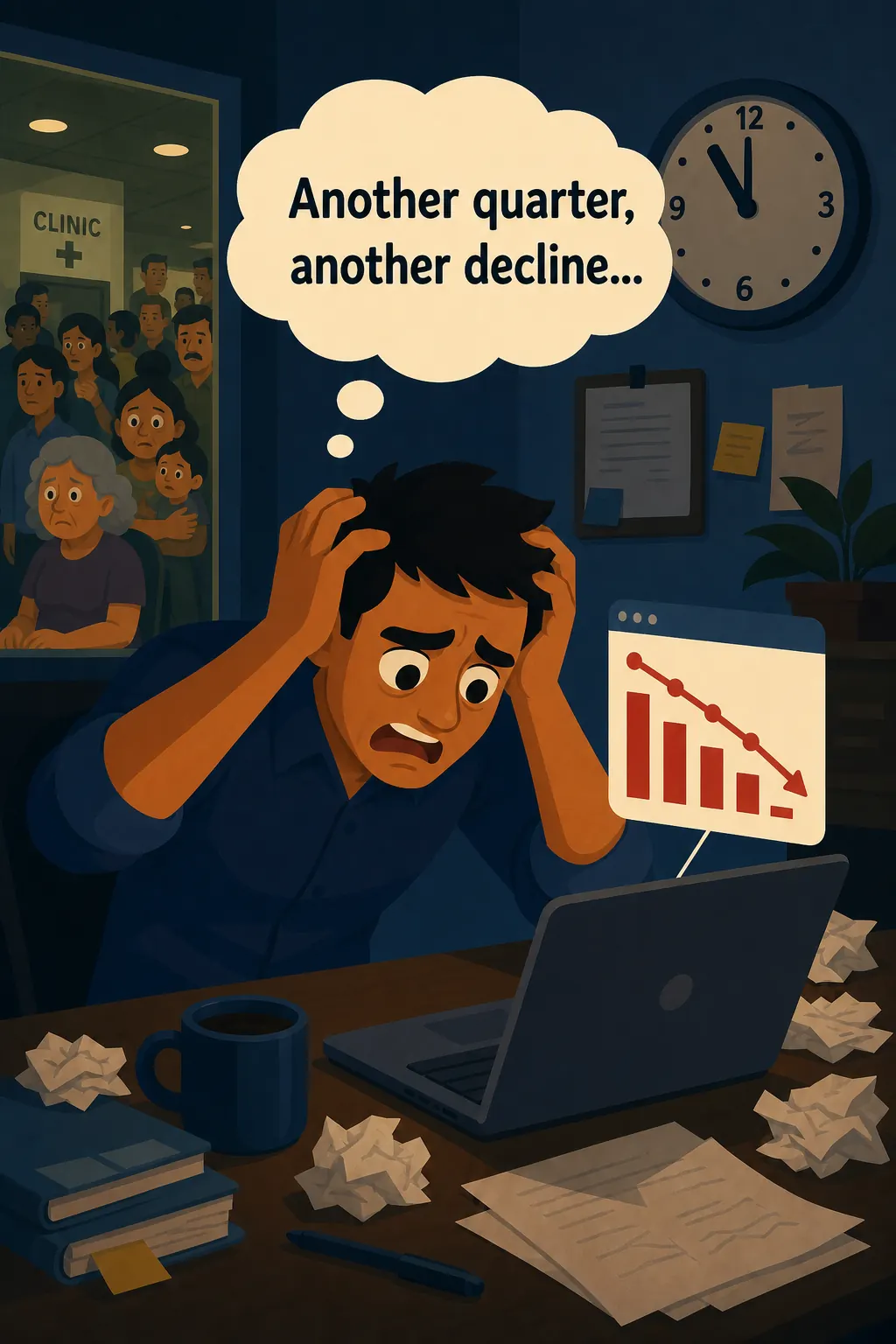
It's 11pm. Marcus is staring at another quarter of falling clinic numbers, and he's slowly realizing that every fix he's tried this year somehow made the waiting room worse.

One-sentence summary

Thinking in Systems by Donella Meadows shows how the hidden structures behind our problems shape behavior, and where to push if you want real, lasting change.

Reading about Thinking in Systems is one thing.

Watching it is faster, more fun, and you'll actually remember it.

Open in app

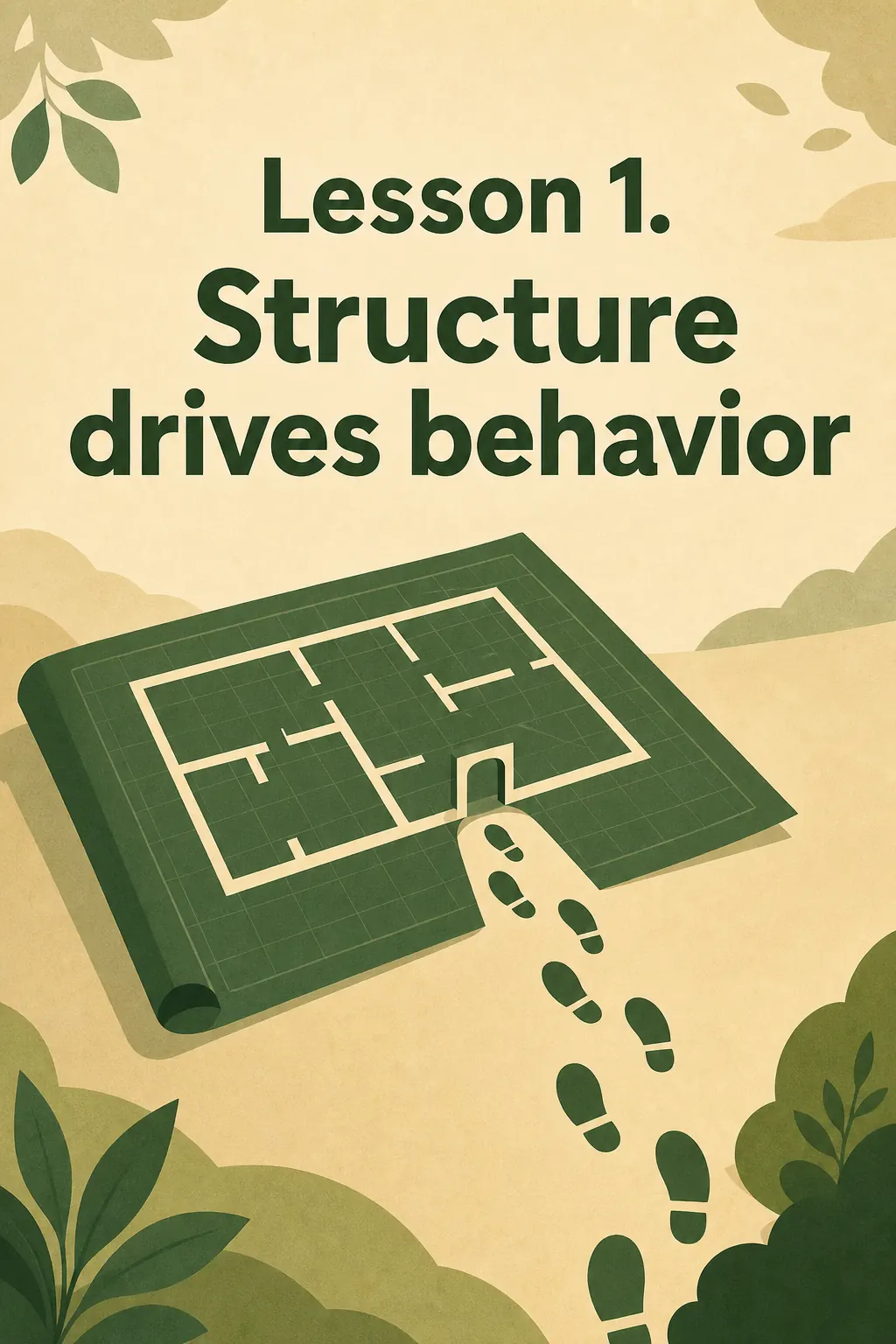
Lesson 1: Structure drives behavior

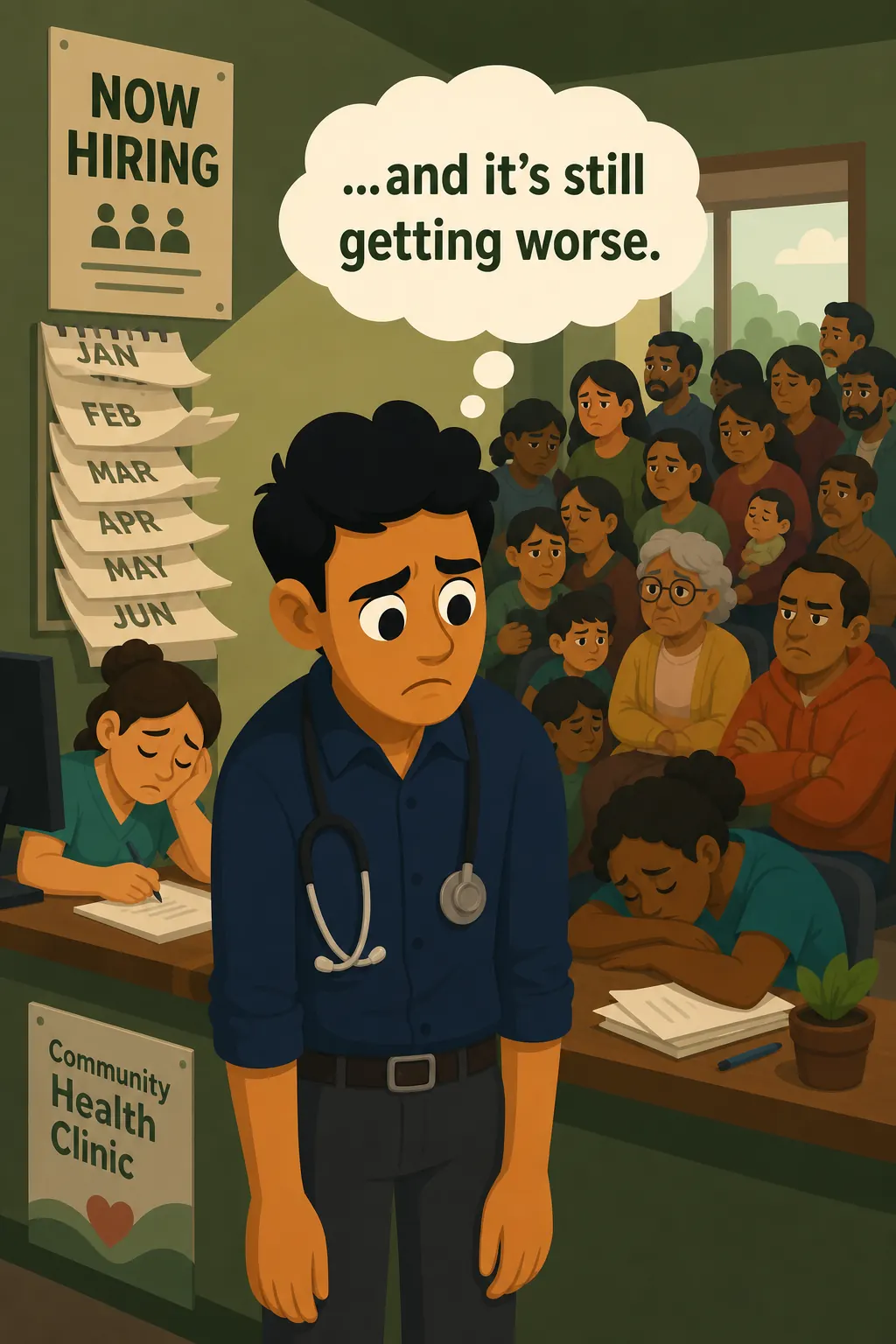
Marcus runs a small community health clinic. Despite hiring more staff and adding hours, patient outcomes keep slipping, and his team is burnt out.

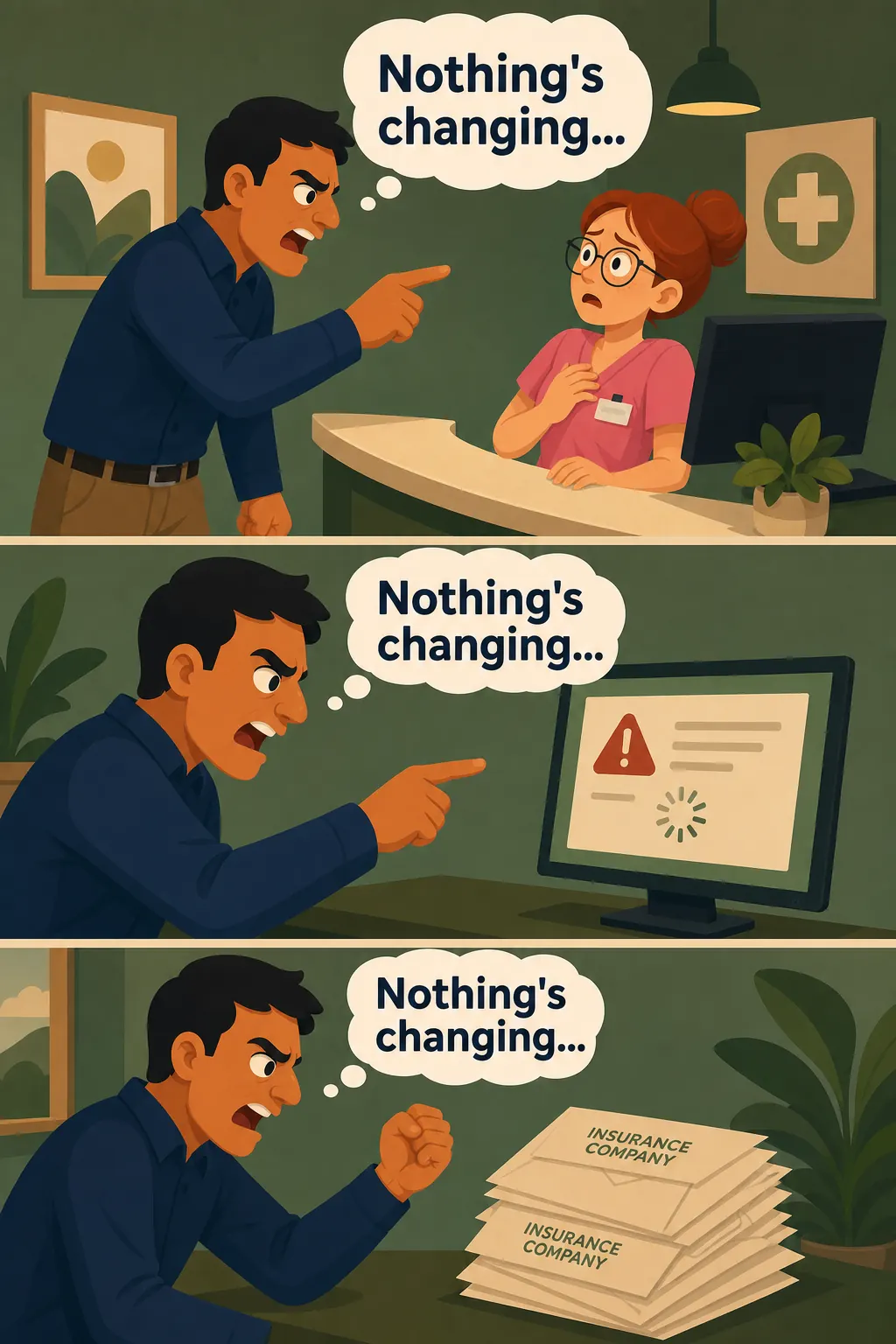
He blames the receptionist. Then the software. Then the insurance companies. Nothing he changes seems to actually move the needle for very long.

Then a friend mentions Donella Meadows, a systems thinker trained at MIT who spent decades studying why complex problems resist our well-meaning fixes.

Meadows drafted Thinking in Systems back in 1993, and after she died, her editor Diana Wright finally published it in 2008 because the ideas kept proving useful.

Her core insight hits Marcus hard. A system's behavior comes mostly from inside itself, from how its parts connect, not from outside forces.

That means his clinic isn't failing because of bad people. It's failing because of its structure. And structure, thankfully, is something he can study.


Lesson 2: Elements, connections, purpose

Marcus pins a big sheet of paper to the wall and tries to map out his clinic the way Meadows describes any system.

Every system, she says, has three things: elements you can see, interconnections between them, and a purpose revealed by actual behavior.

His elements are easy. Doctors, nurses, patients, exam rooms, billing software. The interconnections, mostly information flowing between people, are much harder to spot.

Then comes purpose. The clinic's mission says "healing." But watching how things actually work, Marcus sees the real purpose has quietly become "hit billing targets."

That's a gut punch. Meadows warns that swapping out elements like staff barely changes a system, while shifting its purpose changes everything.

Marcus realizes hiring won't save him. He needs to look at the connections and purposes shaping every decision his people make.

Lesson 3: Stocks, flows, and feedback

Next, Marcus learns to see his clinic as a set of bathtubs. Stocks are accumulations, things like patients waiting, staff energy, or trust in the community.

Flows fill or drain those stocks. New patients arrive, appointments finish, nurses quit, referrals come in. The bathtub rises or falls accordingly.

Meadows points out that stocks change slowly, even when flows change fast. That's why staff burnout doesn't just vanish because Marcus orders pizza one Friday.

He also starts noticing feedback loops. Long waits frustrate patients, who complain, which stresses staff, who work slower, which makes waits even longer.

That's a reinforcing loop, the kind that amplifies trouble. Balancing loops, like hiring temps when waits get bad, push back toward a goal.

For the first time, Marcus isn't just reacting to events. He's watching patterns, and the patterns finally start making sense.

Lesson 4: Delays cause oscillation

Marcus tries something bold. When wait times spike, he immediately reassigns nurses from other tasks to clear the backlog as fast as possible.

It works for a week. Then the other tasks pile up, those patients flood back angry, and waits swing wildly higher than before.

Meadows describes this exact pattern with a car dealer trying to manage inventory. Reacting too quickly to delays makes oscillations worse, not better.

There's a delay between staffing changes and patient flow. By the time Marcus sees results, he's already overcorrected in the opposite direction.

So he slows down. He responds gradually, watches trends over weeks, and resists the urge to yank levers every time a number twitches.

The oscillations calm. Marcus sees that patience, in a system full of delays, is often more powerful than urgency.

Lesson 5: Resilience is invisible

A flu outbreak hits town. Marcus's clinic, running lean to save costs, suddenly buckles. Two nurses get sick, and the schedule collapses entirely.

Meadows warned about exactly this. Cutting slack and overlapping backups feels efficient, but it quietly trades away resilience, a system's ability to recover from shocks.

Resilience comes from redundancy and multiple feedback loops. Bodies recover because many systems work together. Ecosystems survive because many species check each other.

Marcus had eliminated his cross-trained float staff last year because they looked underused. Now he sees what their underused capacity actually was. Insurance.

He rebuilds the float pool, even though it shows up as cost on the spreadsheet. Resilience, Meadows says, is invisible until you need it.

Lesson 6: Watch for system traps

Marcus discovers his billing department has been gaming a quality metric, technically hitting targets while patient satisfaction quietly drops. Classic rule beating, Meadows would say.

He also spots "drift to low performance." His team kept lowering their standards each quarter to match disappointing results, normalizing what should have alarmed them.

And there's "shifting the burden." Whenever anything went wrong, Marcus jumped in to fix it personally, so his managers stopped developing their own judgment.

Meadows calls these system archetypes, recurring traps that punish individual blame and reward structural redesign. Yelling at people inside a trap rarely changes anything.

So Marcus stops rescuing his managers. He raises performance standards back to absolute levels. He redesigns the metric to reward what actually matters: healthier patients.

Lesson 7: Find the leverage points

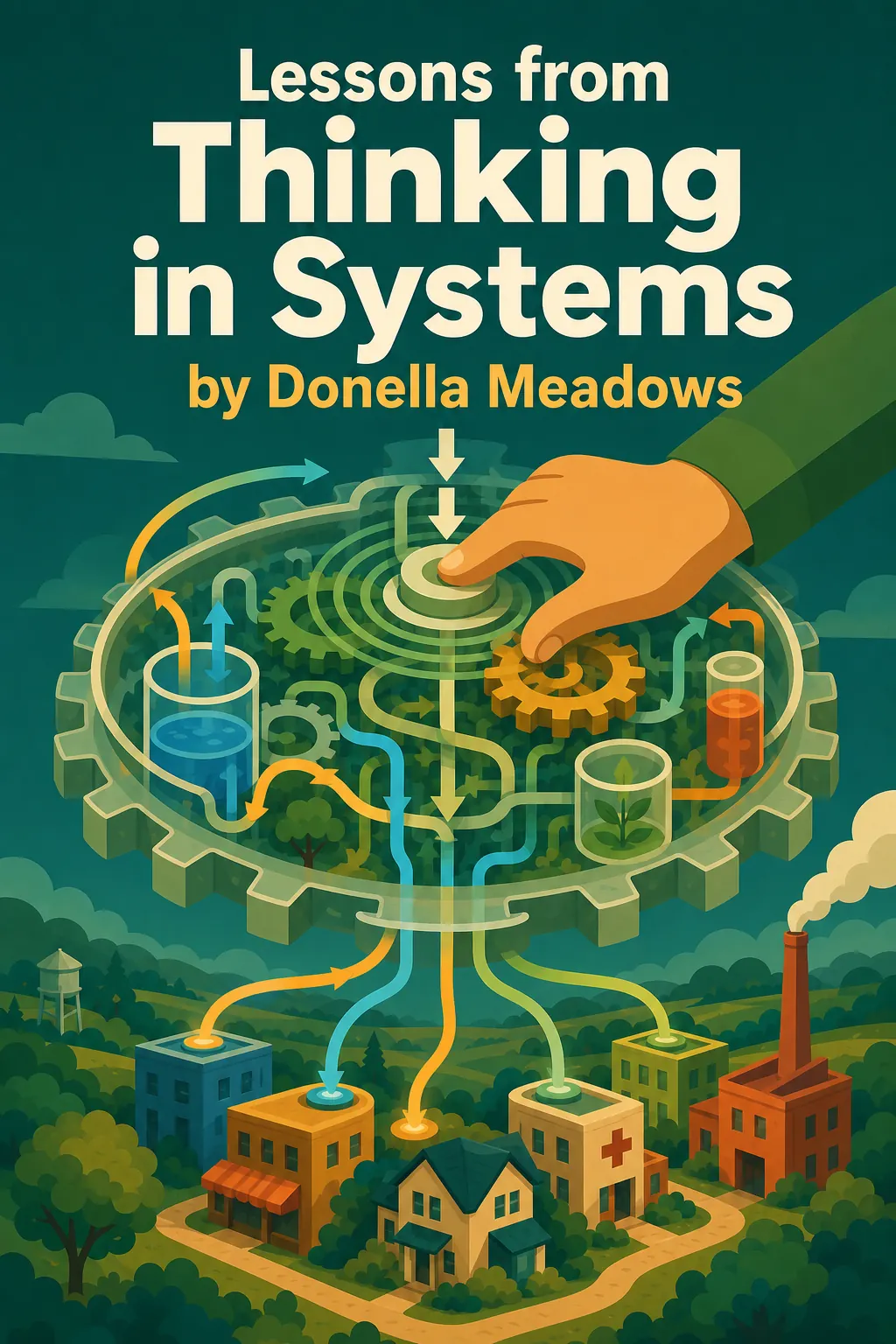
Now Marcus wants real change. Meadows offers a ranked list of twelve leverage points, places where small shifts produce big differences in how a system behaves.

At the bottom are numbers, like budgets and salaries. Easy to argue about, rarely transformative. Marcus realizes he's spent years tweaking exactly these.

Higher up are information flows. He installs a simple dashboard so every team can see their own patient outcomes daily, instead of waiting for buried quarterly reports.

Behavior shifts almost immediately, the same way visible electricity meters in some Dutch neighborhoods cut household usage by a third without any new rules.

Higher still are rules, goals, and paradigms. The deepest leverage of all is changing the shared belief about what the clinic is even for.

Lesson 8: Dance with the system

A year in, Marcus has fewer dramatic wins than he hoped. His clinic is steadier, kinder, and more honest, but it isn't a miracle.

Meadows is candid about this. Even systems experts at MIT, where the field of system dynamics was born, couldn't fix their own coffee habits. Real change is harder than understanding alone.

She suggests we stop trying to conquer systems and instead dance with them. Watch carefully, make your mental models visible, and stay open to surprise.

So now Marcus writes his assumptions on whiteboards before big decisions. He invites disagreement. He celebrates complexity instead of fearing it, and admits mistakes faster.

His clinic isn't perfect, but it's alive and learning. And that, Donella Meadows reminds us, is what every healthy system has always done.

You've read the summary. Now watch it.

The animated version covers the same ideas — faster, and in a format you'll actually remember.

Next summary