










The Richest Man in Babylon cover

Book summary: The Richest Man in Babylon by George S. Clason

10 min read10 key lessonsText + animated summary

What if the secret to building real wealth was discovered thousands of years ago, and most people still ignore it today?

One-sentence summary

"The Richest Man in Babylon" by George S. Clason uses ancient parables to teach timeless principles of saving, investing, and growing your money.

Reading about The Richest Man in Babylon is one thing.

Watching it is faster, more fun, and you'll actually remember it.

Open in app

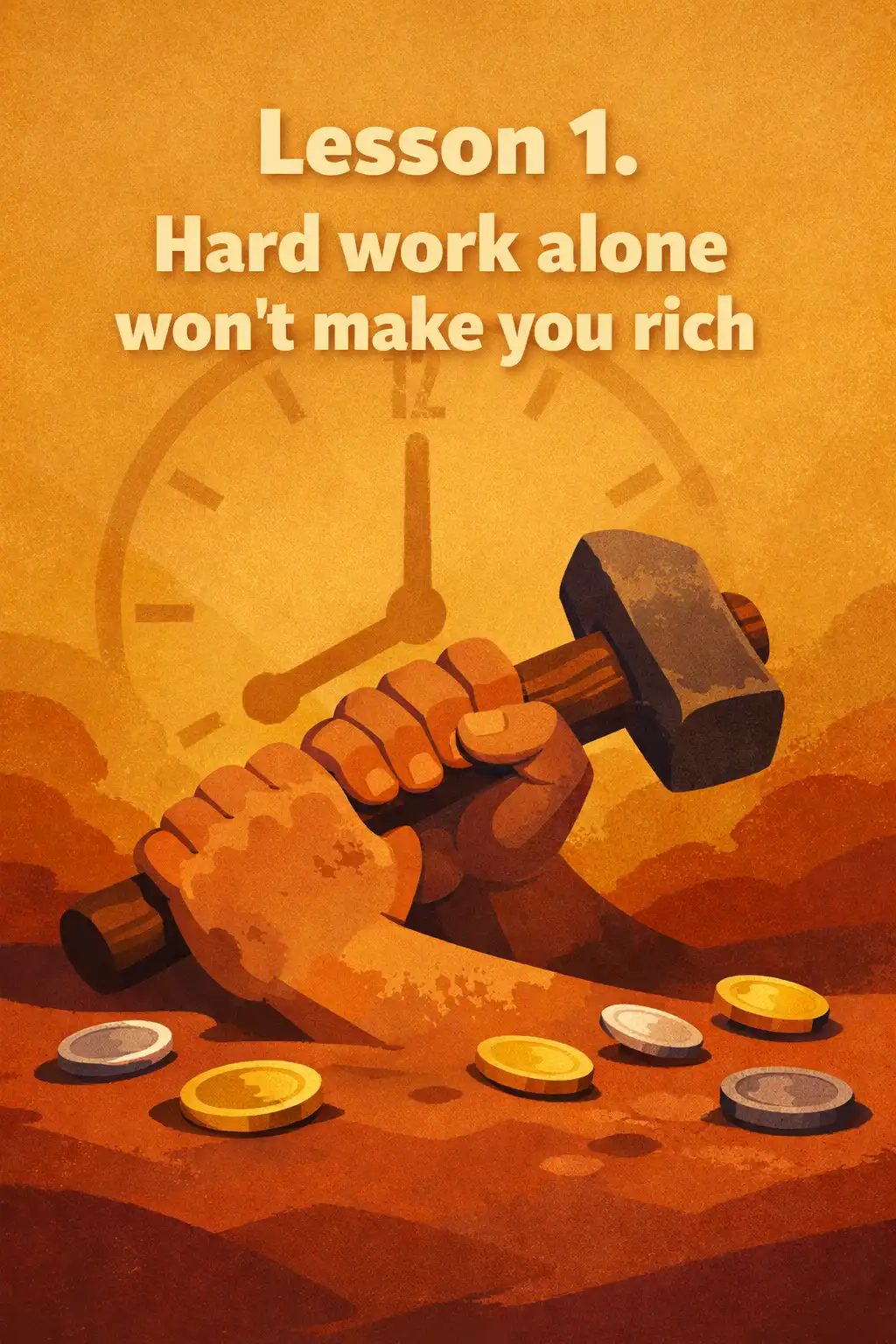
Lesson 1: Hard work alone won't make you rich

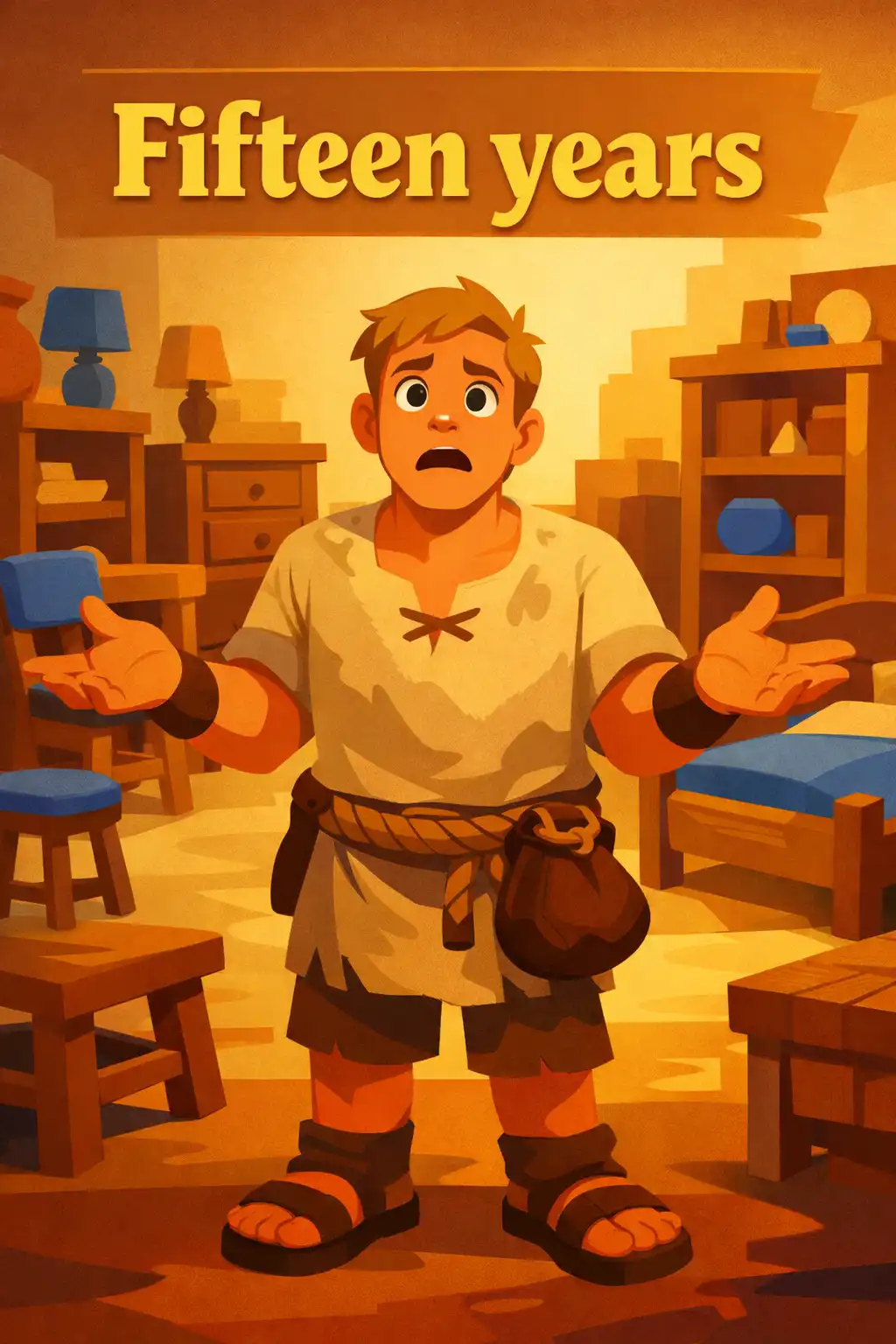
Meet Dara. He's a furniture maker in a busy city. He works six days a week, sometimes seven, building tables and chairs by hand.

One evening, Dara sits at his kitchen table staring at a stack of bills. Rent is due. His car needs repairs. His savings account shows just twelve dollars.

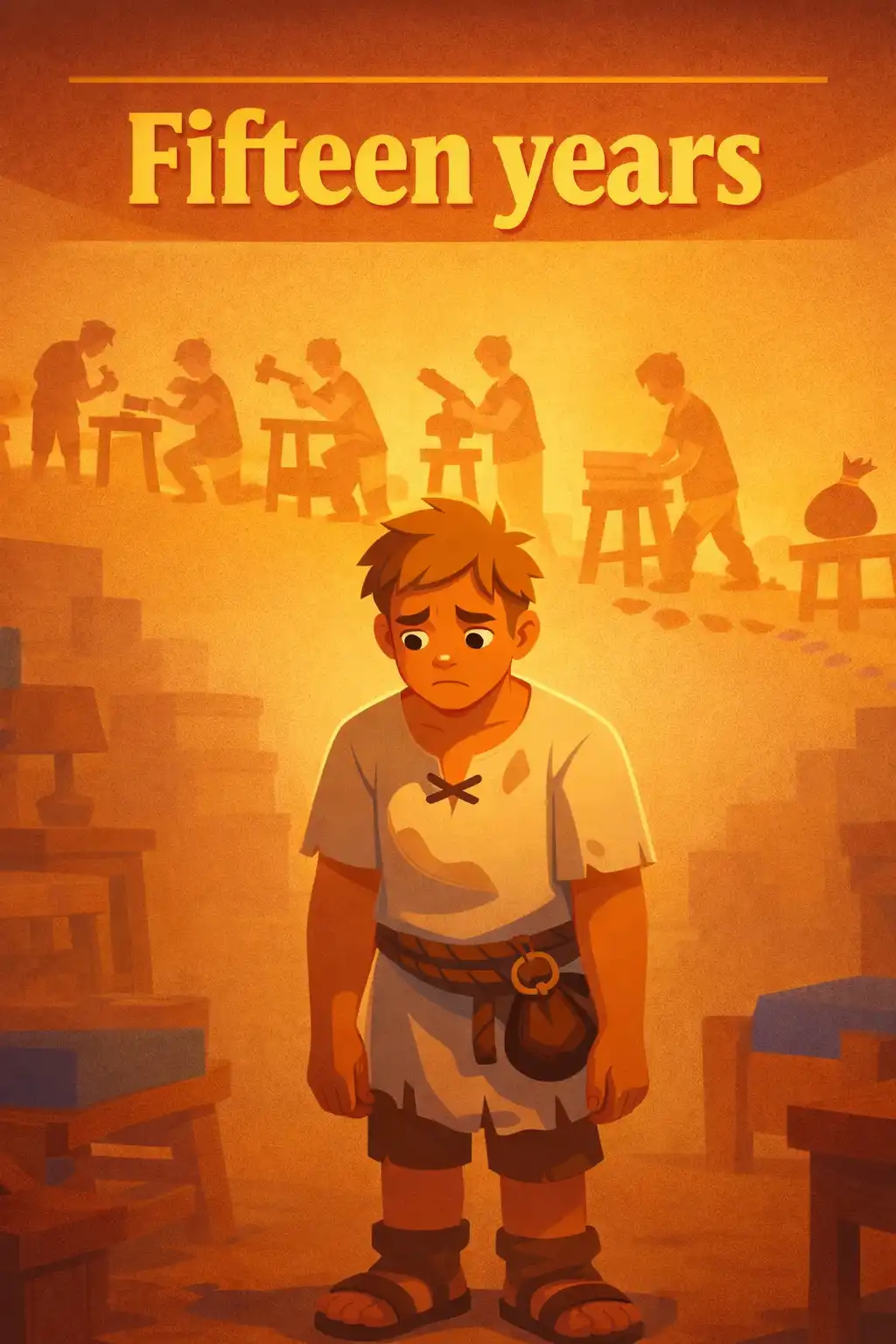
How is this even possible? He's been working for fifteen years. He's skilled, reliable, and never lazy. Yet he has almost nothing to show for it.

George S. Clason wrote this book back in the 1920s. He was a businessman from Missouri who published short financial parables set in ancient Babylon.

Clason's big idea is simple. Babylon became the wealthiest city in the ancient world not by luck, but because its citizens learned specific rules about managing money.

Those same rules still work today. And Dara, like the struggling characters in Clason's stories, is about to discover that hard work without financial knowledge leads nowhere.


Lesson 2: Pay yourself first

One day, Dara mentions his money problems to an older client named Mr. Harmon. Mr. Harmon is a retired investor who built his wealth from nothing over forty years.

Mr. Harmon asks one simple question. "Out of every dollar you earn, how much do you keep for yourself?" Dara pauses. The honest answer is zero.

In Clason's book, a wealthy man named Arkad teaches this exact lesson. He says, "A part of all you earn is yours to keep. At least one tenth."

Think of it like eggs in a basket. If you put ten in each morning but only take nine out each evening, eventually that basket will overflow.

Dara decides to try it. He opens a separate savings account and sets up an automatic transfer of ten percent from every payment he receives.

The first month feels tight. But by month three, Dara realizes he barely notices the difference. His life runs just fine on the remaining ninety percent.

Lesson 3: Control your spending with a budget

After a few months of saving, Dara notices a strange pattern. Even though he earns the same amount, his expenses keep creeping upward to match his income.

Clason warns about exactly this. He writes that our so-called "necessary expenses" will always grow to equal our income, unless we resist them deliberately.

The solution is a written budget. Not a punishment, but a tool. You list your genuine needs, fit them within ninety percent of your income, and let the rest go.

Dara writes down every expense for one full month. He's shocked to find almost two hundred dollars going to subscriptions and takeout he barely even enjoys.

He cuts the waste, keeps the things that truly matter to him, and suddenly ninety percent feels comfortable. His savings account starts growing faster than he ever expected.

Lesson 4: Make your money work for you

Six months in, Dara has saved a few thousand dollars. But it just sits in his bank account doing absolutely nothing. Mr. Harmon shakes his head.

"Gold sitting idle in a purse earns nothing," Clason writes. You need to put your savings to work so that every dollar you have earns more dollars.

In the book, Arkad describes lending money to a shield maker who paid him regular returns. Over time, those returns were reinvested, and the wealth multiplied.

Clason gives a vivid example. A father puts ten pieces of silver with a money lender at his son's birth. Fifty years later, compound interest turns those ten into one hundred sixty-seven.

Dara moves his savings into a low-cost index fund. It's not glamorous, but the money is finally working. Every month, his balance grows a little more all on its own.

Lesson 5: Guard your wealth against loss

A friend tells Dara about a cryptocurrency that's supposedly going to triple in value next month. "Guaranteed returns," he says. Dara is tempted.

But he remembers a story from Clason's book. Young Arkad once gave his savings to a brickmaker who promised to buy rare jewels overseas. The jewels turned out to be worthless glass.

The lesson is clear. Never take investment advice from someone who has no real expertise in that area. A brickmaker knows bricks, not jewels. Your friend knows friendship, not crypto markets.

Clason's fourth law of gold puts it plainly. Gold slips away from anyone who invests in things they don't understand, or that aren't approved by people with genuine experience.

Dara politely passes on the tip. Two months later, that coin crashes to near zero. His savings are safe, and he's learned that caution beats regret every single time.

Lesson 6: Seize opportunity and don't procrastinate

A small woodworking shop near Dara's neighborhood goes up for sale at a fair price. Dara has enough saved for a down payment, but he hesitates.

In Clason's book, a merchant hears about a profitable land deal but keeps delaying because he wants to buy new robes first. By the time he finally acts, it's too late.

Arkad's conclusion is powerful. "Good luck favors people of action." The goddess of good luck is most eager to help those who seize opportunity the moment it appears.

Dara calls Mr. Harmon that evening. They review the numbers together, confirm the shop is a solid investment, and Dara makes an offer the very next morning.

He gets the shop. Within a year, the extra workspace lets him take on bigger orders and hire an assistant. His income jumps by nearly forty percent.

Lesson 7: Build walls of protection around your wealth

Dara's shop is thriving. But one night, a pipe bursts and floods his entire workspace. Tools are ruined, orders are delayed, and the repair bill is enormous.

Clason tells the story of Babylon's great walls. For centuries, those massive walls protected citizens from invading armies. Without them, everything inside would have been destroyed.

Today, your "walls" are things like insurance, emergency savings, and retirement accounts. They guard against life's unexpected disasters so one bad event doesn't wipe you out.

Thankfully, Dara had business insurance, and it covers most of the damage. But the experience convinces him to build a dedicated emergency fund equal to six months of expenses.

He also opens a retirement account and starts contributing regularly. These modern walls mean that whatever storms come next, Dara's family and livelihood are protected.

Lesson 8: Lend and invest wisely

Dara's brother-in-law asks to borrow five thousand dollars to start a food truck. He's enthusiastic and full of ideas, but he's never run a business before.

In Clason's book, a gold lender named Mathon keeps tokens from every borrower he's dealt with. Some repaid reliably. Others vanished completely, taking the gold with them.

Mathon's rule is simple. Only lend to people who have the skills or the assets to back up the loan. Enthusiasm alone is not enough to guarantee repayment.

Dara offers a compromise. He'll lend a smaller amount, but only if his brother-in-law first writes a real business plan and gets it reviewed by someone experienced in food service.

His brother-in-law actually does the work. He revises the plan, launches a smaller version of the truck, and it succeeds. Dara gets repaid with interest. Everyone wins.

Lesson 9: Face your debts and find the way

Dara thinks back to where he started. He had credit card debt he tried to ignore for years. It felt so impossible that he just avoided looking at it.

Clason tells the story of a man named Dabasir, who fled Babylon to escape his debts and ended up enslaved. Running from money problems only made them far worse.

Dabasir eventually created a simple plan. Save ten percent of your income, live on seventy percent, and use the remaining twenty percent to pay down debts every single month.

Dara had followed a similar approach early on without even realizing it. His budget freed up extra cash, and he directed that money toward his credit cards systematically.

Clason's deeper lesson here is about the spirit of a free person. Where there is genuine determination to fix a problem, the way to fix it will always be found.

Lesson 10: Increase your ability to earn

Three years into his journey, Dara realizes his income has a ceiling. He can only build so many tables with his own two hands.

Clason's final cure for a lean purse is to grow your earning power. Your desire to earn more must be specific and backed by genuine effort to improve your skills.

In the book, Arkad noticed that other scribes earned more than he did. Instead of complaining, he studied harder and worked faster until he became one of the best in all of Babylon.

Dara takes a weekend course in digital marketing and launches an online store for custom furniture. Before long, orders start arriving from across the country.

He also trains his assistant to handle more complex projects. Now the shop produces more work without Dara doing every single cut himself.

"Work is not the curse of the unfortunate," Clason writes. "It is the greatest friend any person can have." Dara finally understands this completely.

You've read the summary. Now watch it.

The animated version covers the same ideas — faster, and in a format you'll actually remember.

Next summary